
I created these images for WRA 860: Visual Rhetoric for Professional Writing. The theme for this class was work and labor, and I chose to focus on emotional,embodied, and identity-related aspects of work and labor. I’ve provided annotations(optional to read) under each image, and you’re also welcome to read the complete composer’s statement here.
Image #1
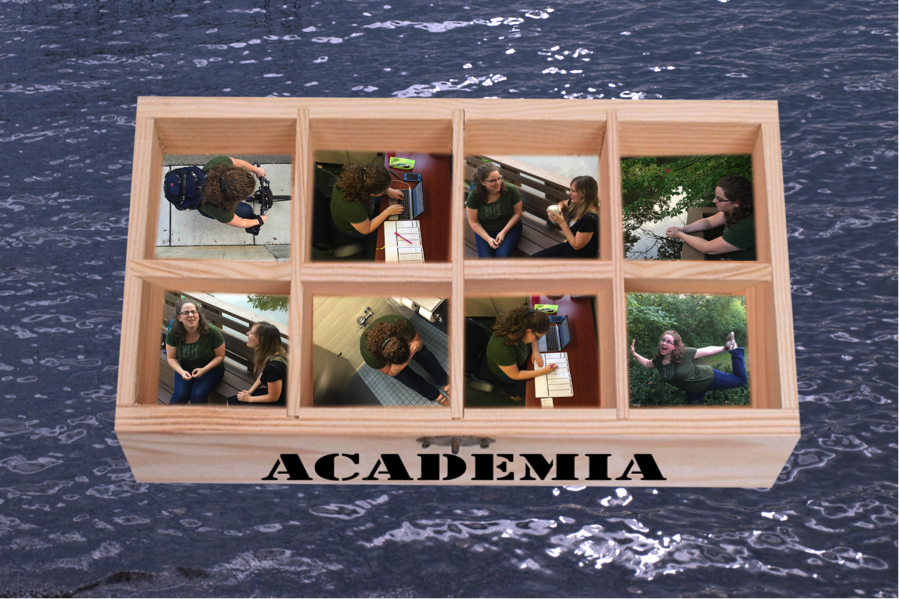
Image #2
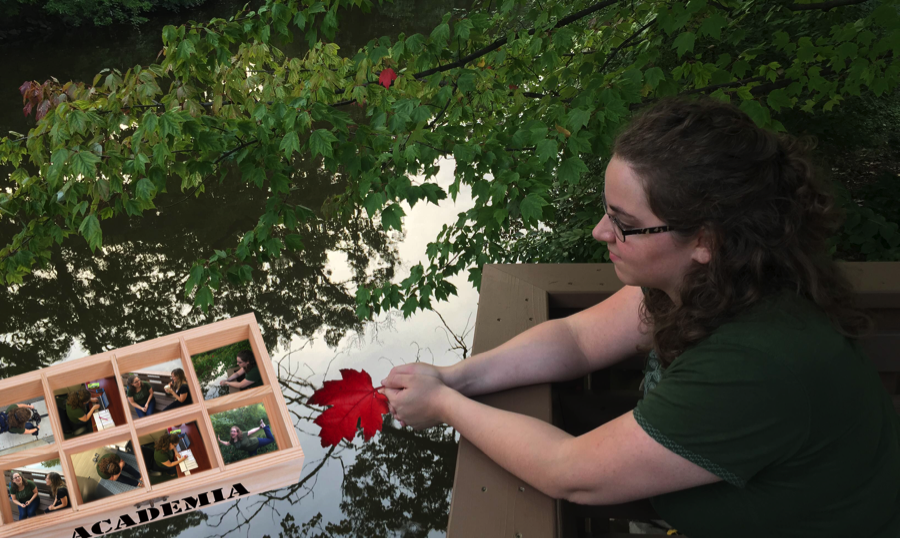
Image #3
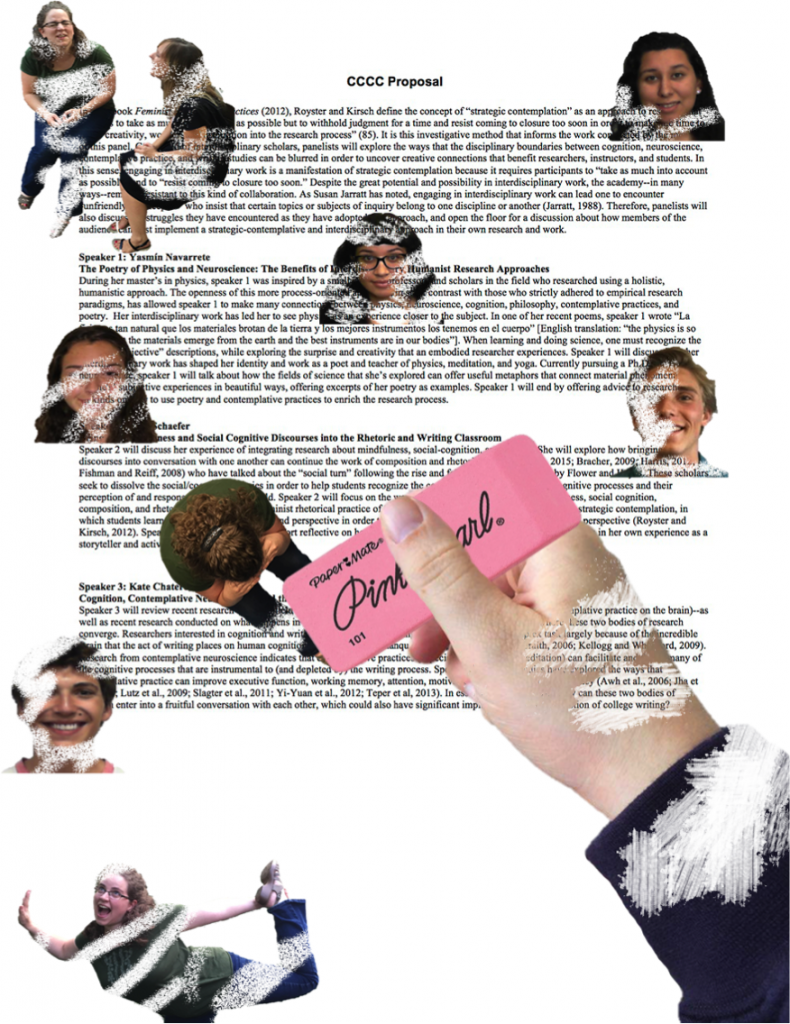
Image #4
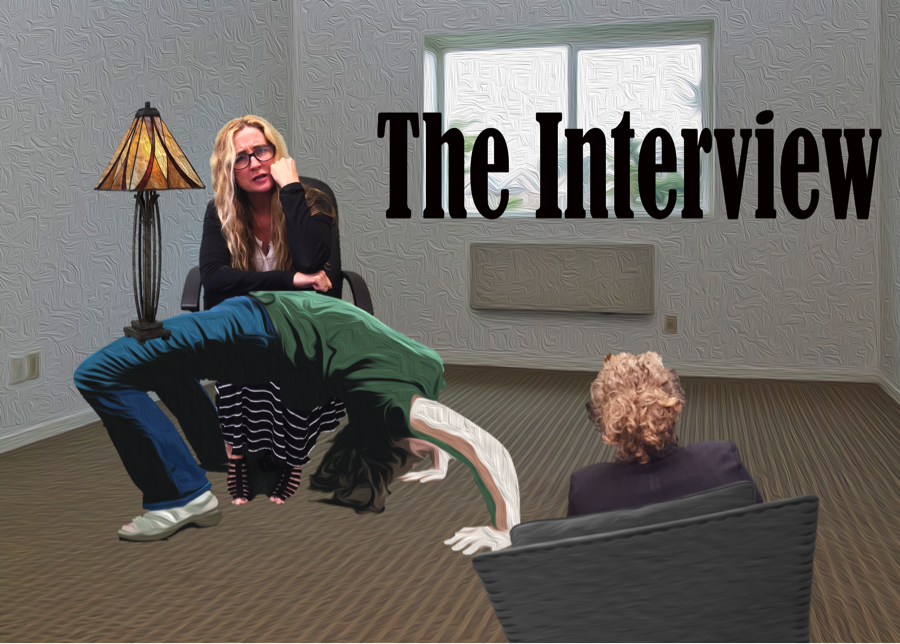
Image #5
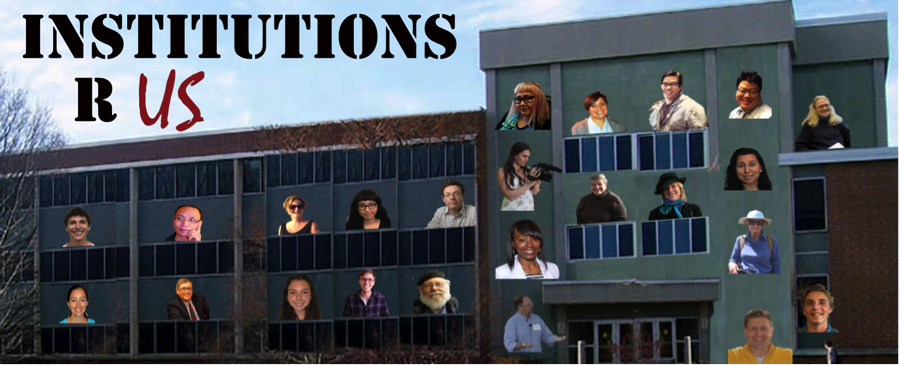
Reflection on Learning
This project was done while reading visual rhetoric articles about the nature of photography,which emphasized photos as representations rather than mirrors of reality. The readings also explored the power of photographs to evoke and reflect emotions,which gives them great persuasive power as well. With this understanding, I used photography and Photoshop to compose a series of arguments about the tension between academia and people’s identities. By choosing topics that I often discuss in written texts, this project gave me a chance to gain experience in recognizing and working with the affordances of communicating through a different medium, photo shopped compositions. Not only do these images quickly convey an emotional context (e.g., fear), they highlight (representations of)bodies, perhaps a meaningful way to respond to Rhetoric and Writing scholars’ call for attention to embodiment (e.g., Ceraso, 2014; Ratcliffe, 2005; Royster and Kirsch, 2012; Stevenson, 2014)
I have often reflected on these images since I first created them in Fall 2016, including whenI led a seminar on listening and wrote an article on the same subject. This image, then, represents learning moments that extended beyond the classroom. In these reflections, I realized that such images also argue for the need to listen to our bodies and our identities and confirm that our identities are stripped of their complexity as well as suppressed (as in image #1). They can also make us act in ways that are perhaps contrary to some aspects of our identities, as in image #3.
The idea presented in image #5 has been highly influential for me, as I have come to see myself as part of many networks. The scholarship and discussion in WRA 860suggest that institutional changes in Rhetoric and Writing (as well as higher education as a whole) need to happen through group (union) work. At the time I took this class (Fall 2016), however, the idea of taking part in such activity seemed far-fetched given my introverted tendencies. In the semester following the creation of this image, I took WRA 841, which focused on the idea of network individualism (The New Social OperatingSystem). I also read articles like Simmons and Grabill’s (2007) “Toward aCivic Rhetoric for Scientifically Complex Places,” whose argument that social change requires collaborative effort brought me back once again to the power of networks. This image helped engrain this idea in my mind. Currently, I continue to think about the need to effect change systemically through groups of people in my role as chair of Graduate Employee Union Pedagogy Committee. Learning and taking part in the policies that shape my and my colleagues’ work experience is more real for me now than ever.
If I were to revise these images, I might incorporate my colleagues’ experiences with academia.This is particularly true as I listen to stories of TAs with marginalized and underrepresented identities in Collaborating for Change, a learning community centered on responding to graduate teaching assistants’ encounters with a variety of “isms”in academia. Teaching assistants of color, for instance, are immediately read as non-white and quickly boxed, othered, and judged (all of which are expressed through microagressions). The lessons I learned about the networked-nature of institutional change from my concentration continue to inform my current work with the GEU Pedagogy Committee, the GEU, theCollaborating for Change Learning Community, and iTeachMSU Digital Commons.Collectively, we are using pedagogy, conversation, technology, and collaboration to effect meaningful institutional change that will ripple beyond the institution.

